
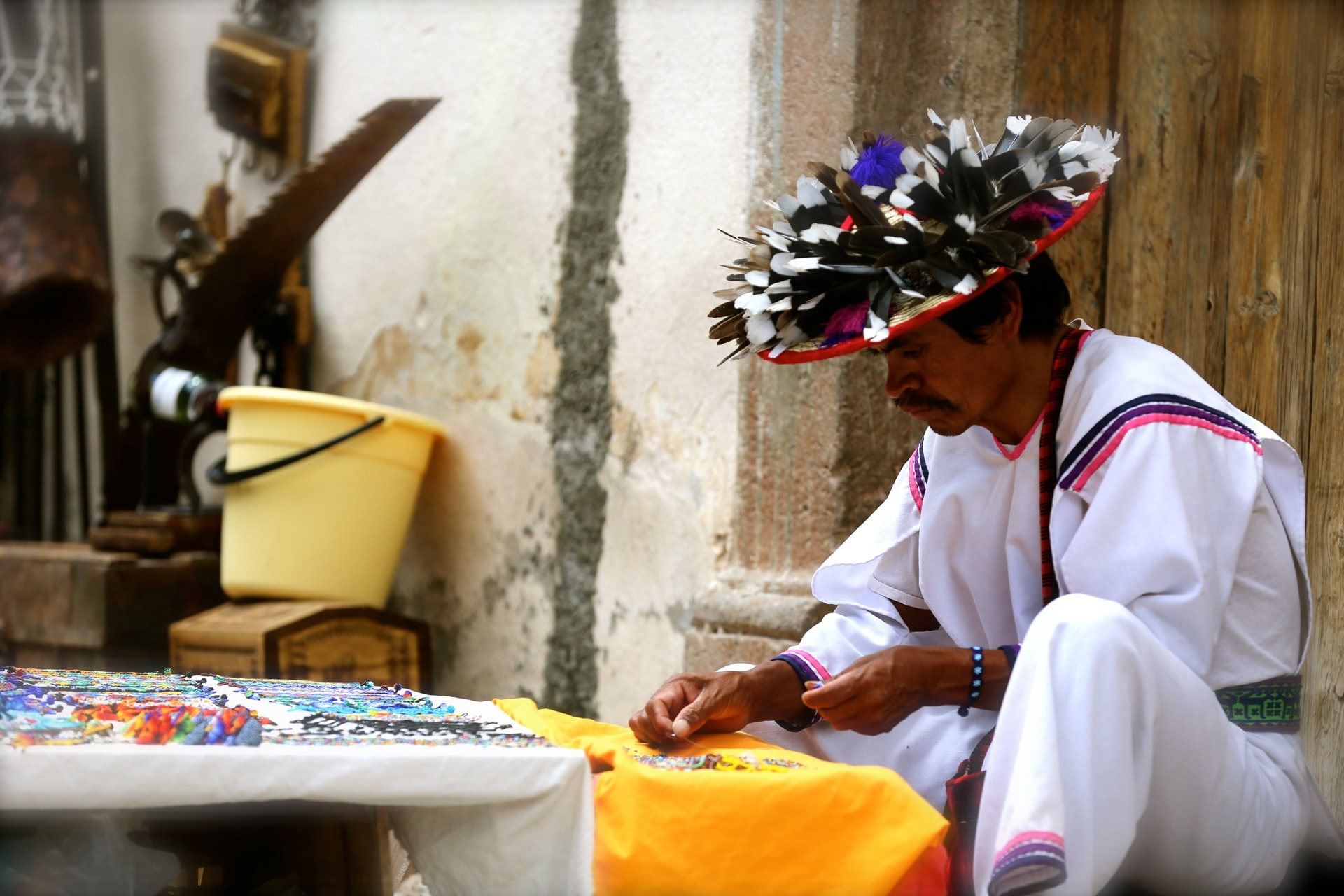
The Huichol people, who call themselves Wixáritari, are an Indigenous group from Mexico known for their colorful art and deep spiritual traditions.
The word “Huichol” means “one who runs away”, while “Wixáritari” means “person with a deep heart who loves knowledge.”
They live in the Sierra Madre Occidental mountains, mainly in the states of Nayarit, Jalisco, Zacatecas, and Durango. Today, there are about 20,000 to 35,000 Huichol people living in these areas.
Even though much of Mexico became Catholic during Spanish rule, the Huichol have held on to their own beliefs and traditions. Their remote mountain homes helped protect them from outside influences.
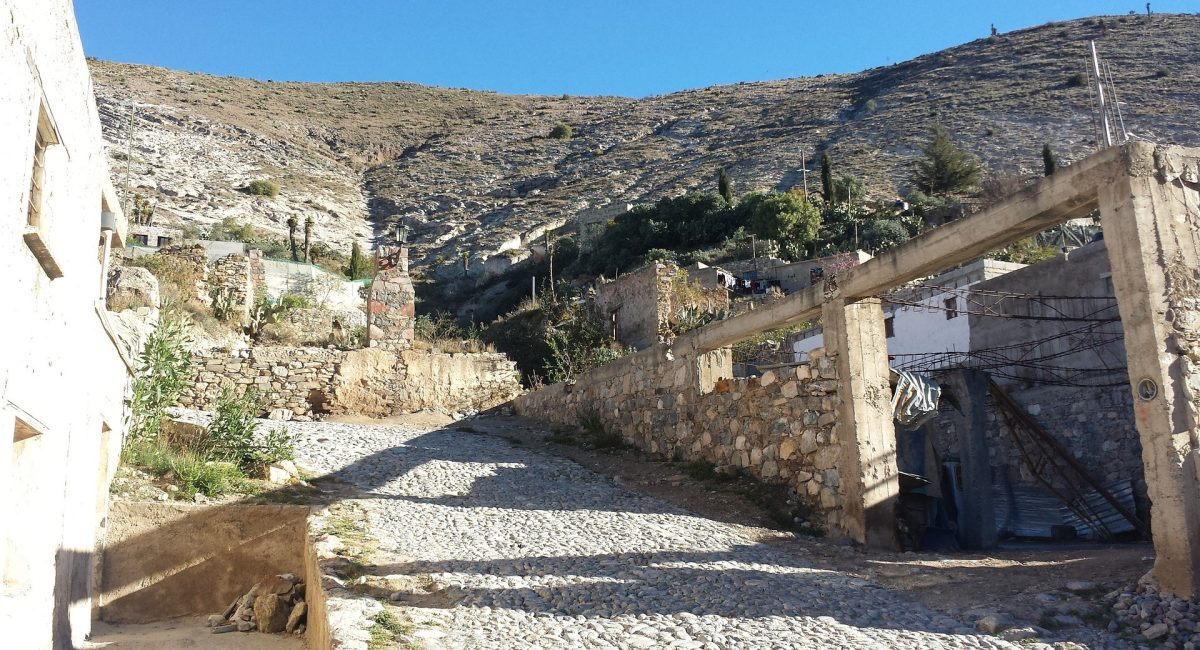
Spirituality is at the center of Huichol life. They believe that nature is sacred, and they honor many gods connected to the sun, rain, fire, and animals. Every year, they make a long pilgrimage—over 600 kilometers—to a sacred desert in Wirikuta, San Luis Potosí, a place they believe is the home of their ancestors.
There, they gather the peyote cactus, called Hikuri in their language. Peyote is not only used in their ceremonies but also seen as a source of wisdom, healing, and spiritual connection.
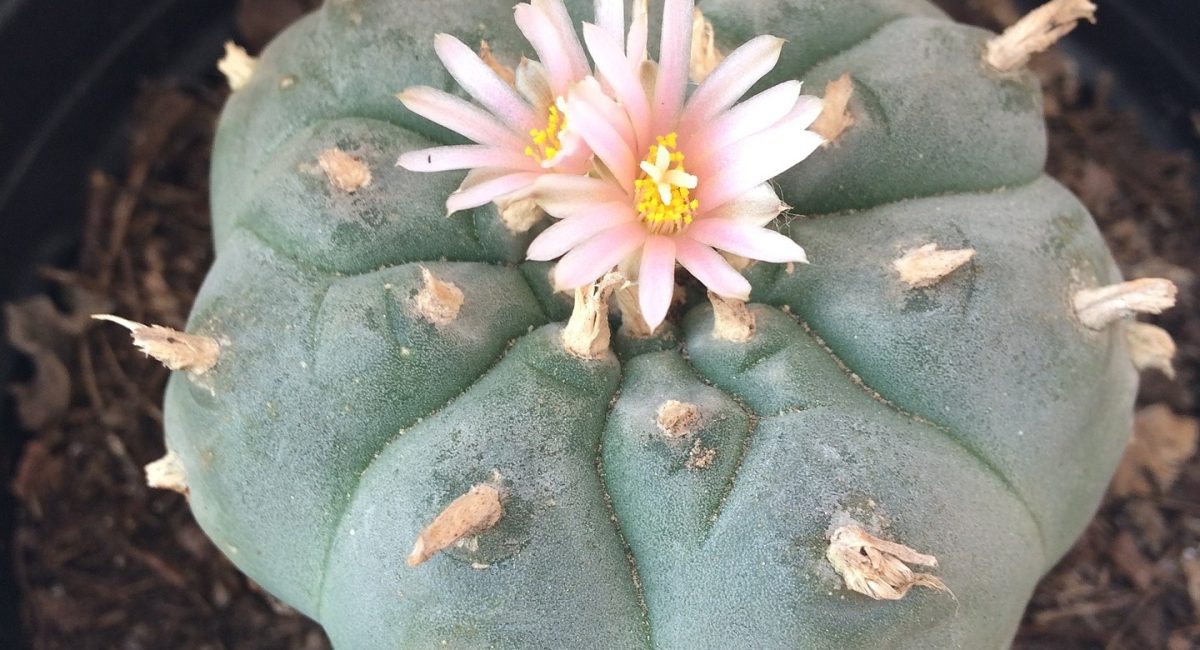
During special rituals, Huichol shamans guide participants—sometimes including children—in taking peyote. This is believed to help them see visions, connect with the gods, and pass on their traditions.
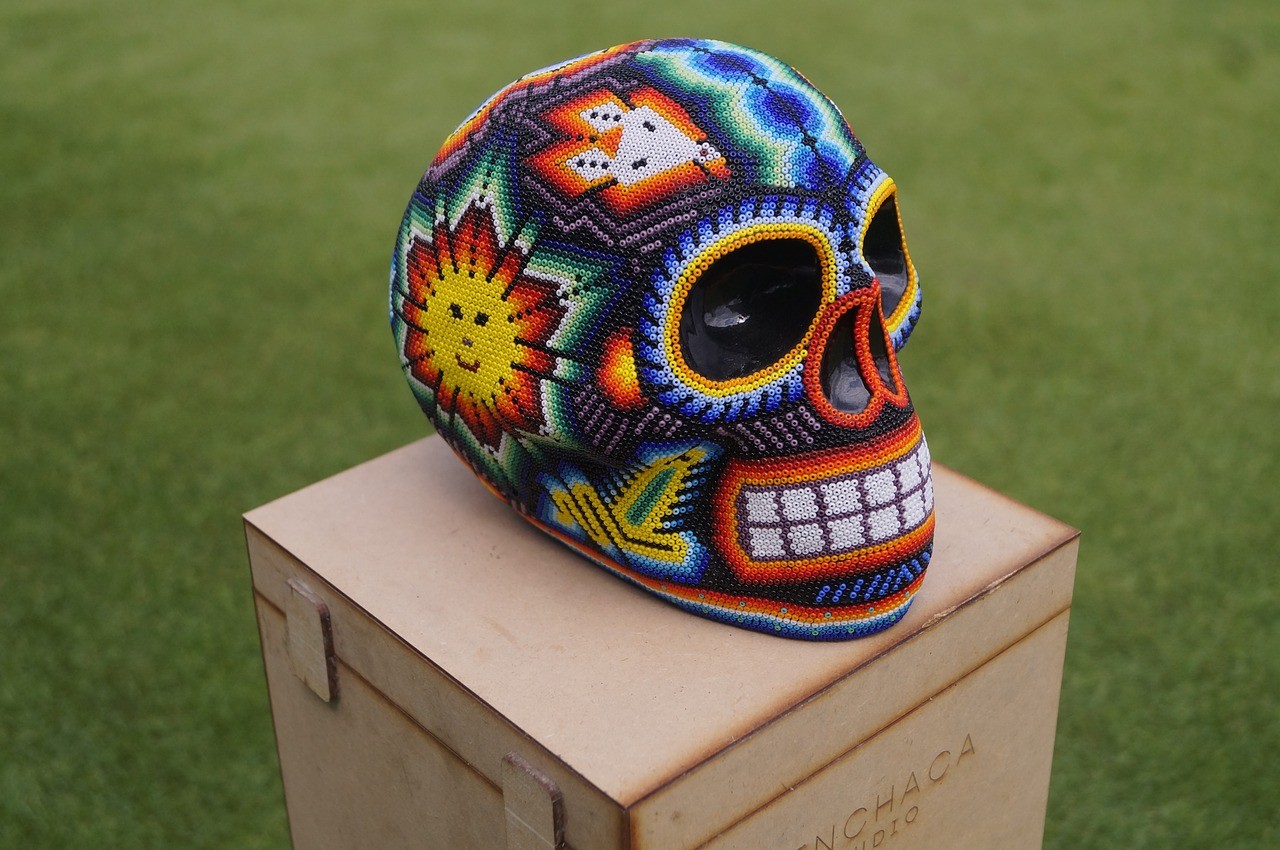
All of this spiritual richness is reflected in their art and jewelry. Each piece is filled with symbols that tell stories of their beliefs, dreams, and connection to the natural world. Learning about these meanings can help you see their work not just as decoration, but as a living part of their culture.